
Когда мир беднеет наружно, это есть выражение внутреннего
Маргарет Асланян - Душевный Разговор - обновление: 19.05.2020:
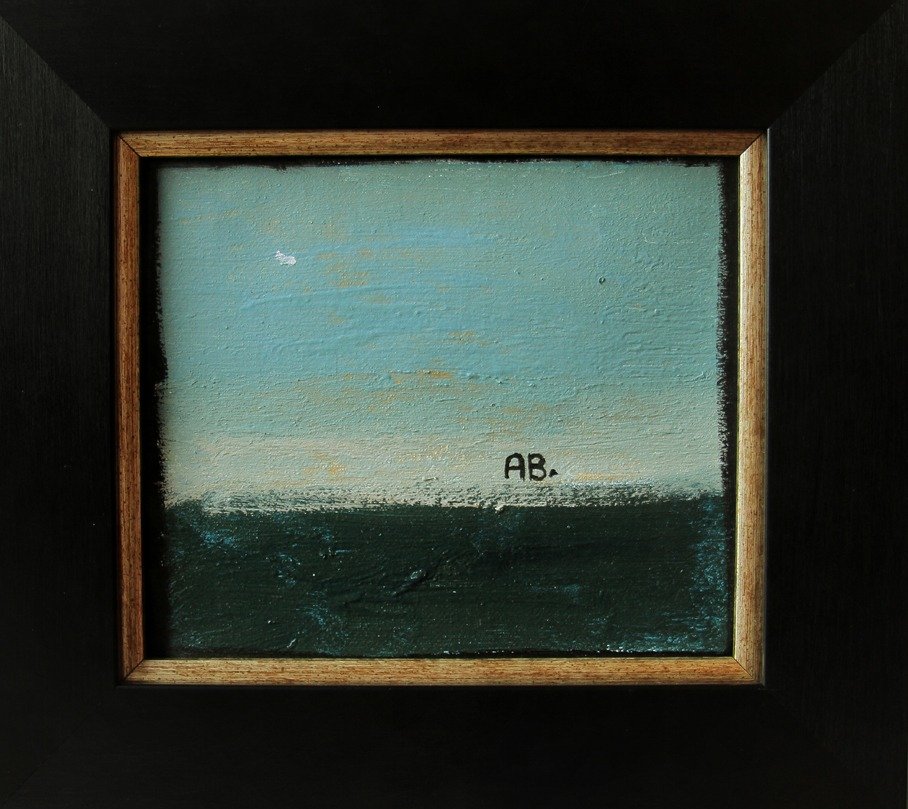
Меня зовут Антон Баланчивадзе…
Меня зовут Антон Баланчивадзе. Я художник.
На пути к свету человек понимает, что свет есть жертва солнца. За счёт ее великой жертвы развивается мир.
Роль каждого, отдельного, конкретного человека немыслимо велика. Нельзя мыслить родину, миссию народа, справедливость и. т. д. без конкретных людей, конкретных знакомых, конкретных переживаний связанных с ними. Встреча каждого человека с другим есть заново возникший, новый мир... чем запоминающимся, душевным, значимым, важным является встреча, тем истиннее и величественнее то, что возникает, тем правдивее познаем мы реальность, тем ценней становится жизнь. А статистика есть абстракция.
Добиться процветания и подъема разных сфер жизни нельзя посредством абстрактных истин, абстрактных систем и статистики, - где человек есть лишь формальная единица. Информация не есть еще правда. Помните Бернард шоу говорил: "Если мой сосед бьет свою жену ежедневно, а я —никогда, то по статистике мы оба бьем свою жену через день".
Через вживание в проблемы и радости других, мы оживаем к реальности, к правде, к знанию. Через инертное восприятие информации, без душевного отношения, мы остаемся нейтральны к правде жизни. Сказанны слова: "Человек приходит или из сострадания к знанию, или из знания к состраданию".
Человечество
Для художника художественное творчество должно осознаваться и как средство, как возможность, а не быть только самоцелью. Если музыкант полюбит музыку больше того возвышенного мира - к которому она обращена, откуда исходит, - больше, чем тех существ, кого он называет Музами, - то он перестает понимать и чувствовать к возвещению чего оно стремится. Так, незаметно для себя становятся идолопоклонниками, материалистами в искусстве, забывая об истинных целях музыки, живописи, поэзии.
Люди посредством истинного искусства могут понимать и чувствовать друг-друга, потому, что в искусстве национальное расширяется до интернационального, возвышается к общечеловеческому. Сейчас все больше и больше стоит учитывать наступившую эру сближения народов, культур, - и интересоваться стоит уже не только собой.
На таком пути — исчезает повод для конфликтов. Люди начнут все больше ясно сознавать: Страна - это конкретный человек ее представляющий, хранящий ее тайны и ее величие, ее особенность - посредством лучших сил своих, а не вымышленное представление о чем-то абстрактном, когда-то бывшем, или долженствующем стать. Что мы из себя
представляем на данный момент для мира, для людей, точно то и есть наша страна для этих других и для нас самих также. Служит человек интересам своей страны как раз тогда, когда он служит общечеловеческому.
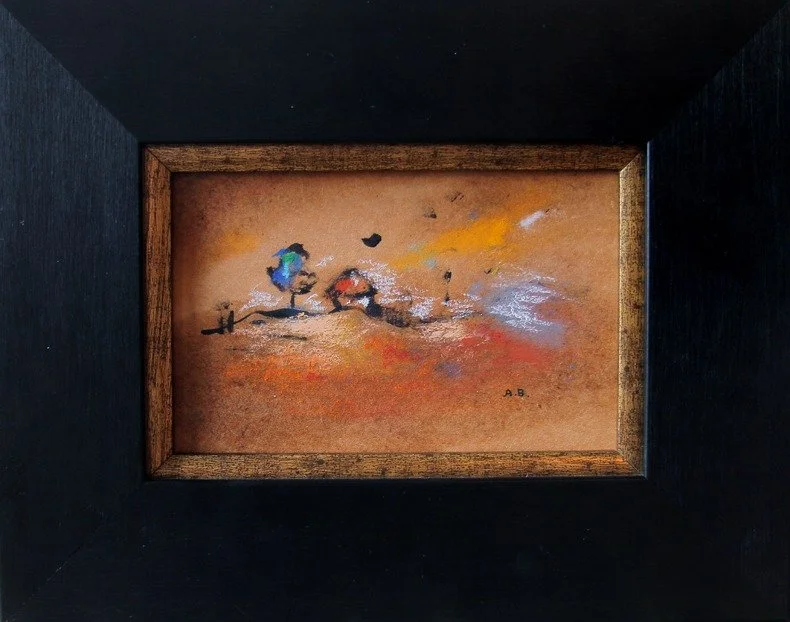
Христианство, братство․․․
Часто говорят, что надо искать правильные форматы для переговоров. Но главное ведь не форматы, а люди, которые должны договариваться. Если один из них Махатма Ганди а другой Фридрих Шиллер — они наверняка смогут договориться. И больше того — заключить великий, братский союз. Из таких встреч возникает неиссякаемый источник для современности и будущего.
Идя по такой дороге, страны теряют свою значимость в смысле только материальных границ и территорий, и люди доброй воли становятся гарантами дружбы народов, без границ, без искусственных ограничений. И как раз этим они будут хранить верность по истине всему тому дорогому, чем одарила их родина, язык, отцы и предки. Правильно понятое — грузинское, армянское, русское и немецкое не будет больше камнем преткновения между народами, так как люди начнут уже более тонко понимать незримую связь всех вещей. Люди оставят границы в покое и начнут искать возможности их нарушения, потому что они будут мешать им быть вместе. Если мы поистине обогащаемся друзьями, единомышленниками, нам не нужны больше те или иные, новые территорий, статусы, рычаги давления и т.д. так как нам везде рады, с нами делятся, у нас везде дом.
Если подумать — куда может вести нас все
более глубоко понимаемое христианство?
Оно ведь, не должно пониматься только как
некое обособление избранных... Однажды
на меня очень подействовали слова отца
моего, я прочел в его записях: "Дело свое,
а не себя надо утверждать в мире. Не о
том грезить, чтобы стать певцом, а о том,
что должно быть воспето" ...
Так наверно и христианину, стоит
стремиться отстаивать в мире цели
христианства, не себя самого.
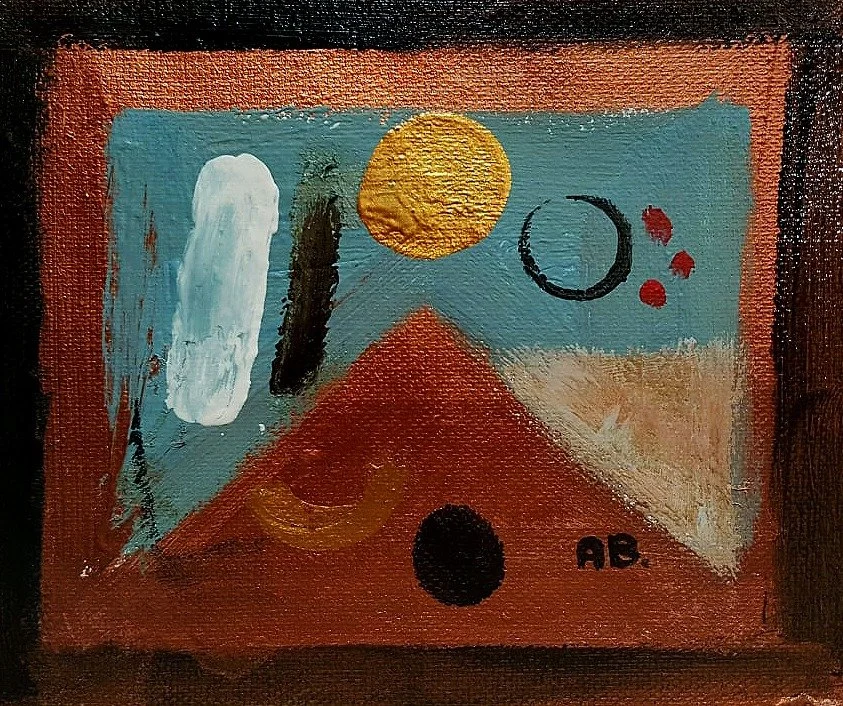
Литература. Самая любимая книга
Не мало конечно книг — особенно значимых,
которые воспринимаешь как что-то родное...
Про некоторые даже не хочется говорить,
но можно вспомнить "Витязь в барсовой
шкуре" Руствели, "Житье Грузии",
"Парсифаль"- Вольфрама Фон Эшенбаха,
Ритмически музыкальное "Гильгамеш"...
"Принца Гомбургского" - Клейста, целый ряд
сильнейших произведений Ибсена,
Достоевского и т.д Но чтобы не исключать какое-либо из них, пусть здесь любимой книгой будет названа своего рода "Книга книг", - собранная из всех остальных и дорогих...
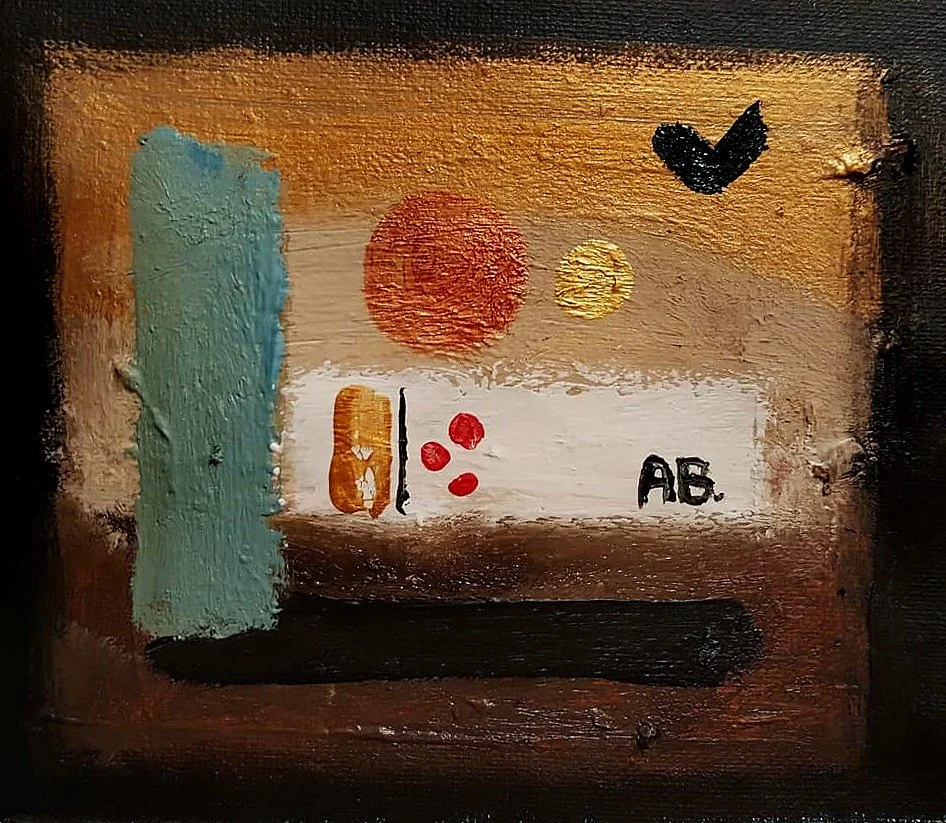
волшебство кисти...
Сравнивая художников, живописцев, бывают иногда расположены представлять их в некоем вертикале сравнения — кто лучше? Но если в стилистическом сравнений поместить их горизонтально, рядом, - тогда можно дать им возможность дополнять друг друга - и то, чего может не доставать у одного, будут находить у другого, даже далеко не выдающегося художника.
В этом ключе у многих вещей появляется дополнительное "право существовать". Познается целесообразность, своевременность, а не абстрактное "лучше". Обретает все большее значение контекст и личность, что выражает себя посредством той, или иной работы.
Например у Рембрандта всего пол года, был учитель —Питер Ластман. Значение этого человека, вклад и заслуга его художественных находок, творческих приемов очень велика в формирований Рембрандта. Если сравнивать этих двух художников в момент их встречи, то у Ластмана могут быть те преимущества, что потом уже становятся одной из главных художественных приемов гениального Ван Рейна. С другой стороны, отдельность — если ее не представлять в сравнениях — не может быть актуальна. Мысля вещи
в сравнениях, мы находим новые
отношения, положения между ними. Если
мы видим, что одна скульптура не подходит
для центральной площади столицы, то
может она-же отлична для городка в горах.
Там она обретает свое особенное значение
и оправдывает свое назначение.
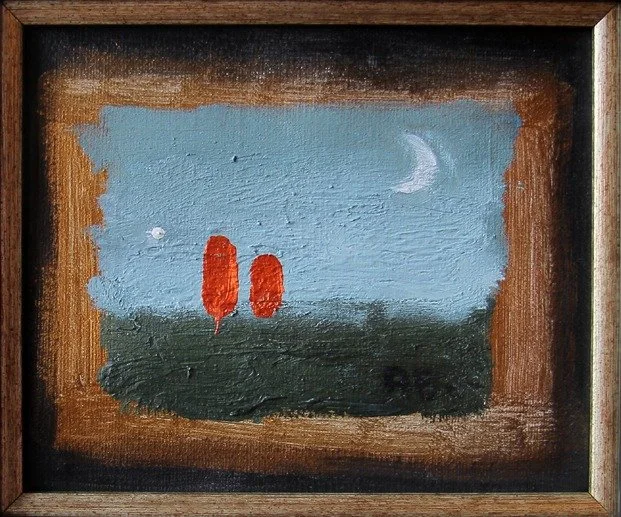
Все новое, актуальное в современном
искусстве не может прийти только по
желанию, или решению художника,
даже если он чувствует, что это необходимо
и даже если он мастер своего дела. Придется
ждать момента. Новое должно открываться
как открывается закон природы. Мы не
выдумываем ее, но находим, через работу,
через внимание и интерес, также через ряд
других вещей...
"Цех художников"
Обозревая произведения искусства,
концепций, формы в художественных
группах, — должна идти речь о
целесообразности, своевременности.
Каждый художник находит себя в зеркале
других художников. И правильно понимая цели искусства, на нас больше не довлеет авторитет. Мы стремимся тогда к синтезу, к коллабораций, совместной работе с другими. Как у каждого слова свое назначение в предложении, так и здесь, в группах художников. Работая совместно возникает такое новое, чего бы без этой совместной работы не возникло бы.
Как это не смешно, но серьёзной, совместной, интересной работе в группе, отстаиванию общих целей в искусстве мешает часто как раз талант, а не неимение его. Талантливые люди бывают расположены работать в одиночку и показывать всем, что они сами по себе. А это мешает добиться социального назначения искусства в наше время — ее " Гражданственности".
В наше время подготавливая выставки, стоит обращаться к конкретной публике, к конкретным людям, ан не абстрактно - к человечеству в целом, не имея в виду реальную аудиторию, в лице которого, можно представлять это человечество. В группе художников, более сильно можно переживать и учитывать настроение города, социального в стране.
Когда встречаются СЛОВО и КРАСКИ
Оскар Уайльд хорошо чувствовал важную связь между картиной и самим художником. Здесь речь не о его интерпретаций этой связи, а в ощущениях. На самом деле в картинах, в искусстве, мы не можем скрывать то, чем мы живем. И то, что у нас получается — это и есть мы сами.
Направлять человека в искусстве должна
творческая интуиция, а не внешняя логика.
Вообще все что мы можем себе помыслить
как новое, уже было. Лишь ее новая
форма бытия раскрывается в данный момент.
"Все преходящее — лишь символ вечного"
- по Гете. Вечное порождает новые и новые
формы и надо догадываться к какому
прообразу они ведут.
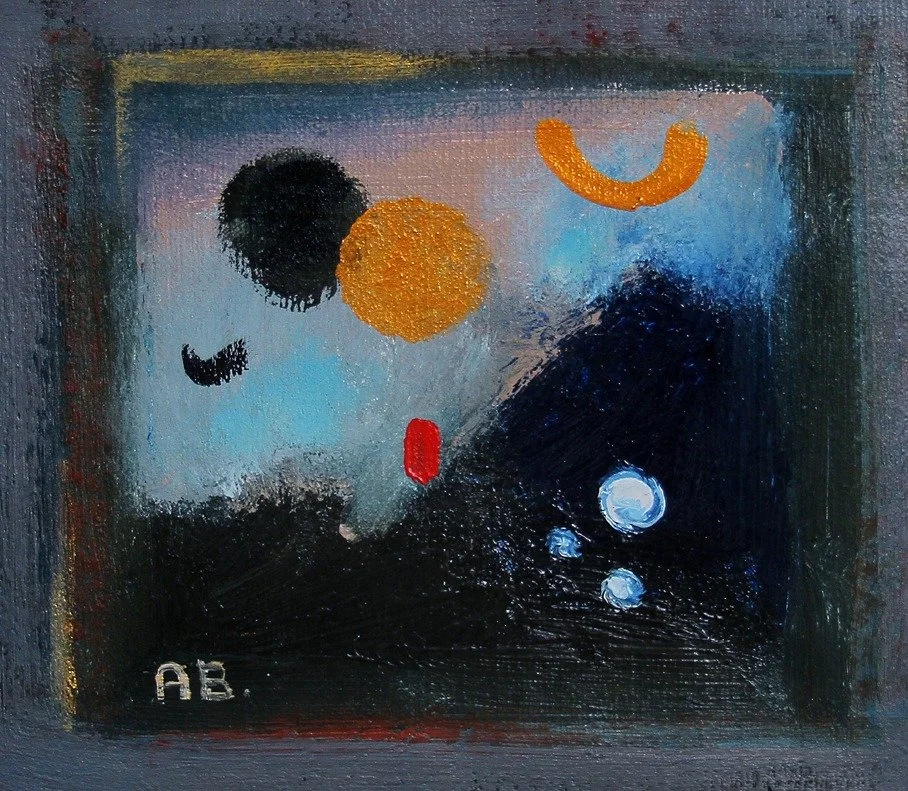
Смотря на цвет как на нечто живое, творящее
новые формы, нуждающемуся в конкретных
соотношениях — мы даем себе возможность
перешагнуть за грань существующих
представлений, вкусовых соотношений и
вступать в мир, где живопись — верится —
найдет свое новое будущее.
Можно порой уходить от задуманной
заранее в какой-либо конкретной,
фигуративной, или композиционной форме
решенной тематики в картине и идти по пути,
больше внутреннего ощущения. К передаче
темы посредством морального,
психологического действия цвета, фактуры,
стараясь находить формы именно по этим
законам. Выбирая те соотношения, что
подобает самому характеру задуманной темы, цветового настроения. Специально теряя таким образом тему, в конце заново, но по-новому ее обретаешь.
...
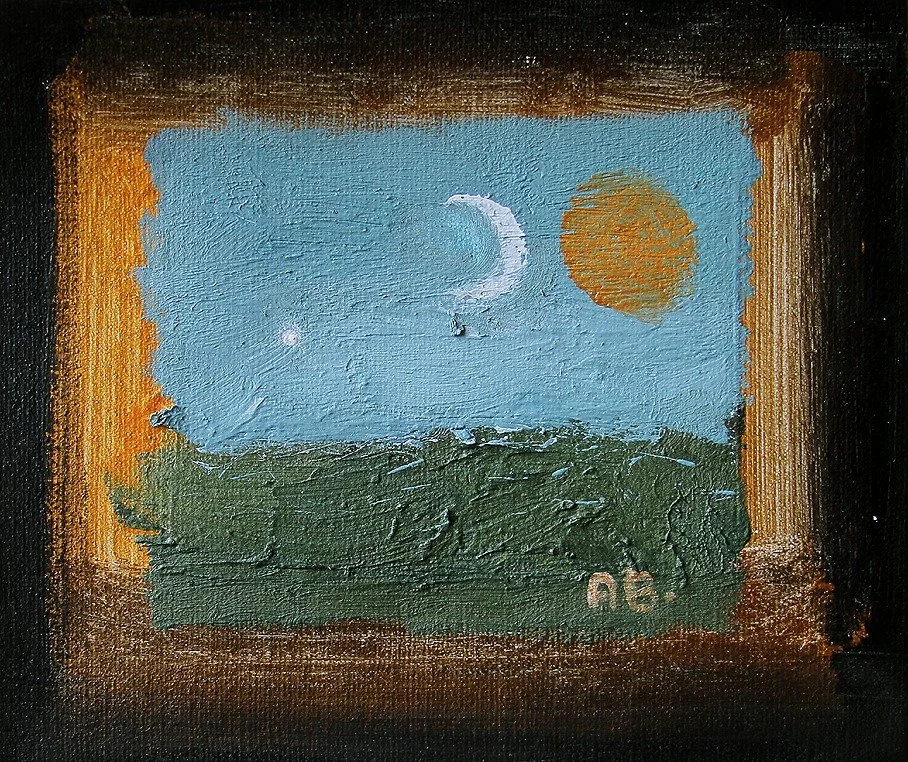
Рембрандт рисуя даже одну единственную фигуру, - в драматизме фона, в освещении, в деталях, выражений лица и рук, в фактуре, в символах, - в соотношениях и в недосказанности дает нам возможность мыслить в некоем конкретном настроении бесконечный мир великого целого, всего того грандиозного, что только может человек себе представить.
В картине часто намного важней это настроение, чем даже то, что на ней изображено. Если суть найдена, форма придет сама, присущая именно тому времени и месту, — когда и где она возникает.
Если рисовать некую проблему, но так, что оно не будет иметь в себе зачаток возможного выхода, то это будет добавление новой проблемы к старому.
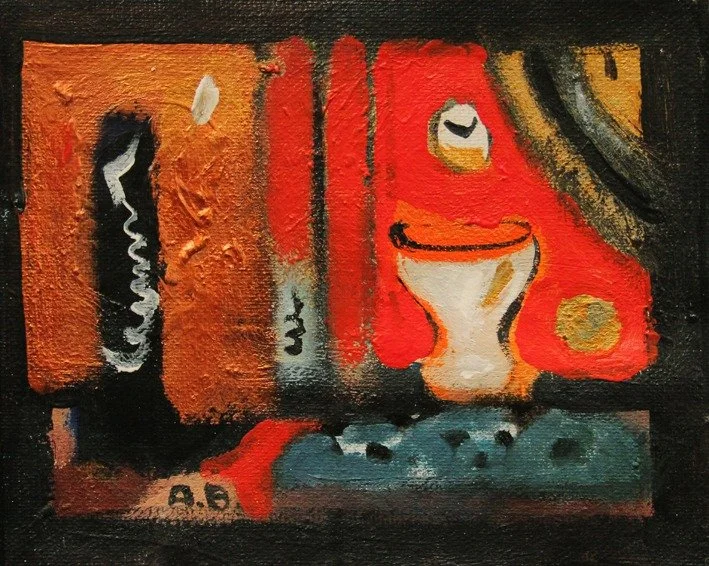
Когда мир беднеет наружно, это есть выражение внутреннего. Видя вокруг только уродливые формы, не хотя менять их, не стремясь к облагорожению вещей, придется признать что и мы становимся мещанами... Конечно можно рисовать уродливый корпус дома, если это нужно — но тогда рисовать надо так, чтобы посредством нее зритель сам смог бы развить в себе такую внутреннюю активность, которая сможет в противовес уродству найти незримо что-то красивое. Можно вспомнить "голубой период" Пикассо, здесь глаз часто требует себе красное. Но ее или совсем нет, или очень и очень мало. Сразу чувствуется, что это сделано умышленно, с развитым эстетическим пониманием. Художественное ощущение зрителя подтверждает, что у такого замысла есть сила выразительности.
Искусство — встреча с Богом
Искусство есть живое существо.
Иногда молчать о боге много значимее,
чем говорить о нем.
Как говорит человек о чем то, всегда показывает, что oн желал бы сказать на самом деле.
Златоволосое Вдохновение
Вдохновение — это когда к труду человеческому подлетает ангел.
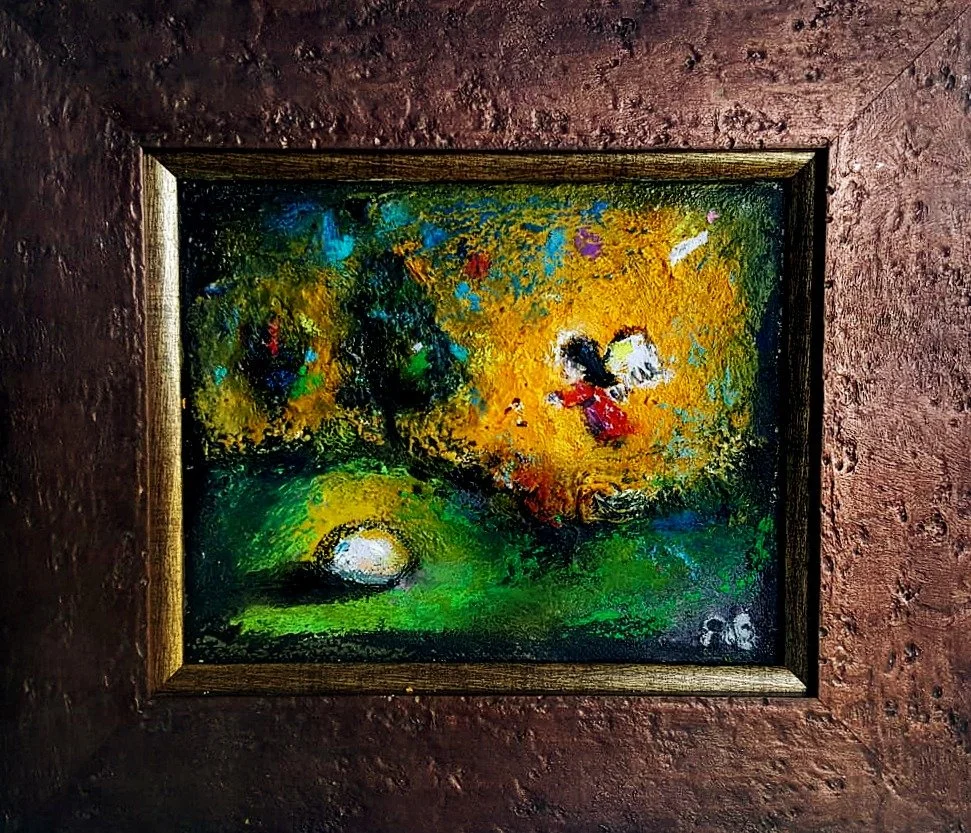
В шумных переулках города я ищу...
В шумных переулках города я ищу тех, что скажут мне — мы тебя узнали. Мы искали тебя во всех наших жизнях и находили, или ты находил нас. Мы слушали тебя и любили, мы соскучились по нашим интересным встречам. Я ищу тех, кого знал когда-то, кого я знал и в этой жизни. И ищу того, чей лик проскальзывает иногда сквозь взгляд прохожих, смех молодой девушки, через рукопожатие благородного человека, кто смотрит через всякий глаз на земле и выражает себя через разные звуки мира.
Женщина- Муза, Мужчина — Творец
Когда рождается Сольвейг, можно написать " Пер- Гюнт", как это сделал великий Ибсен, но без Сольвейг никакой "Пер- Гюнт" не получится. Писатели не вымышляют своих героев, они сперва видят их, - конкретных людей, - они знакомы с ними и лишь взяв конкретный пример из жизни и доведя его до совершенства, - но именно конкретный пример, конкретного человека, - можно потом создать образ в литературе. Из абстрактного рождается лишь абстрактное.
На счет музы ... сегодня часто упоминают ее, но внутреннего смысла в этих словах редко приходится находить. Когда кого-то называют музой, - не думают о самой музе, которая это слышит.
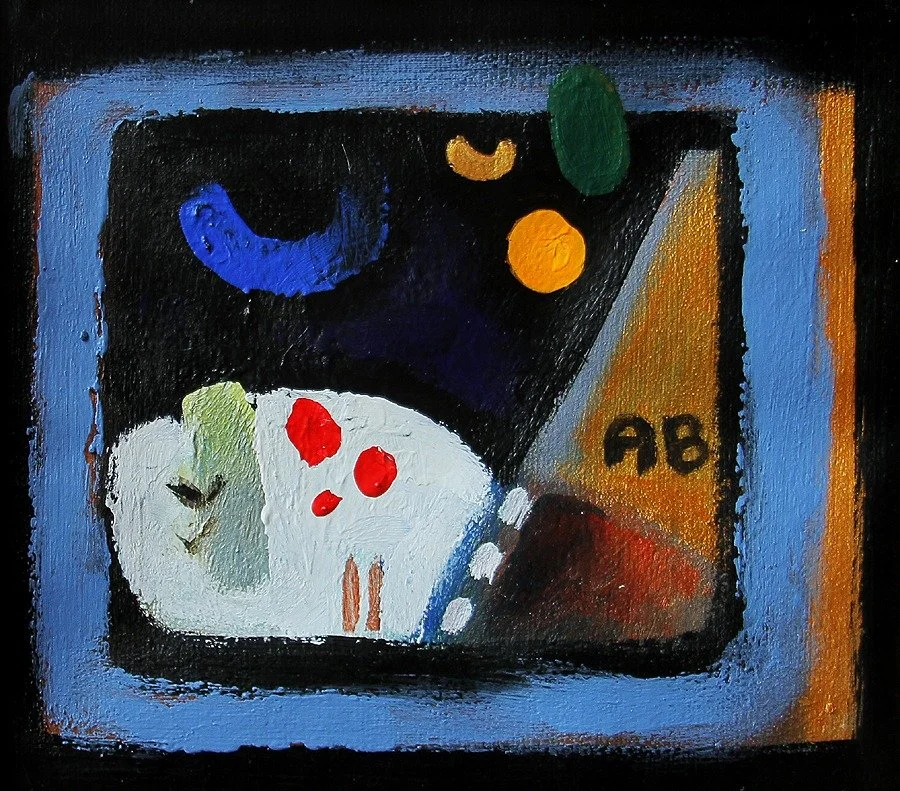
Формула личного и все людского счастья
Многие люди стремятся к счастью - к сожалению мысля ее лишь как личное. Самое страшное, когда люди готовятся после смерти попасть в тот рай, что себе представляют, как материальный сад блаженства. Многие готовы даже расстаться на этом пути с самими дорогими сердцу людьми, близкими, что по их мнению могут оказаться недостойны войти в нее,- не понимая, какой же это будет тогда рай.
Думается, что счастье в физическом мире, лишь
материально осмысленное — есть осмысление
предстоящей потери, чуть или намного раньше
нее. Поэтому стремясь к счастью, искать все-же
надо не ее саму, - а то, к чему призывает
внутренний голос; что нужно делать с точки
зрения совести и долга, ради блага не только
себя, но и ближних, ради идеи, что нужно
мыслить за всем материальным. Думается, что
на этом пути, если повезет — человек может
обрести мир в себе и в других, радость тем,
что есть и смотреть на любимых людей, на
величие и красоту мира с благодарностью.
Герой из книги "Витязь в барсовой шкуре" - Автандил говорит слова: "არა ვიქმ, ცოდნა რას მარგებს ფილოსოფოსთა ბრძნობისა" - в переводе на русский будет примерно так: " Не осуществив ее в деяниях (В жизни), что даст мне мудрости философов знание".
Да, - то во что мы верим, что мы хотели бы видеть в мире, что мы почитаем как мудрость, надо ведь оживить в самих себе...
Законы природы и законы придуманные современностью все больше становятся в парадоксальное друг к другу положение. К примеру, самым желанным моментом недели для многих, становится вечер пятницы, а не воскресение, к которому надо бы было как раз стремиться, - в ключе осмысления недели с духовной точки зрения, где воскресение есть начало, солнечный и самый радостный день.
Еще на тему счастья, вспоминаются слова Достоевского: "Солнцу надо быть солнцем!", - когда советуют Раскольникову, идти в тюрьму... Счастьем в таком контексте это может и не назовешь, но по сути себя и других в жизни находить стоит.
Нам не хватает страсти...
По-моему страсти в мире как раз хватает, но
вот любви все меньше и меньше. Развиваться,
в истинно духовном смысле этого слова —
значит вспоминать и готовиться любить.

Непредвзято познав искренние причины
какого-то нашего действия — мы учимся
познавать себя. Через осмысление причин
действия других — мы учимся все больше
прощать, понимать.
Вообще желание не должно мешать нам
взирать на реально существующие вещи,
отношения. Может девушке нравится роза,
но в глубине сердца она чувствует, -
превратись в цветок — она бы стала подобна не ей, а например фиалке, или сирени... Так как мы ведь несем в себе некие свойства характера, что подобны больше именно тем или иным растениям, цветам, животным...
Кому-то нравится царь зверей — но знакомые видят в нем — оленя. Ощущая так природу и себя, находя связи и отличия — мы выходим за рамки только нашей симпатий и антипатий и учимся познавать правду, сущность вещей.
Укажите последнюю книгу что прочли
Из художественной литературы — рассказы А.П.Чехова
Вне скобок
Хочу поблагодарить ваш журнал от всего сердца,
за интерес и за возможность быть услышанным
вашими дорогими читателями. Хочется пожелать,
чтобы ваша деятельность была для современников
актуальной и духовно богатой, творческой.
Мы ориентируемся на правильные, добрые,
принципиальные поступки и это прибавляет нам
веру в человечество, в будущее. Ничего не
пропадает даром.
...
Можно сегодня закончить словами, которые часто говорил один особенный человек, живущий в Тбилиси в 80-их годах — Виталий Александрович Богословский: "Надо не ругать тьму, но зажигать свет".
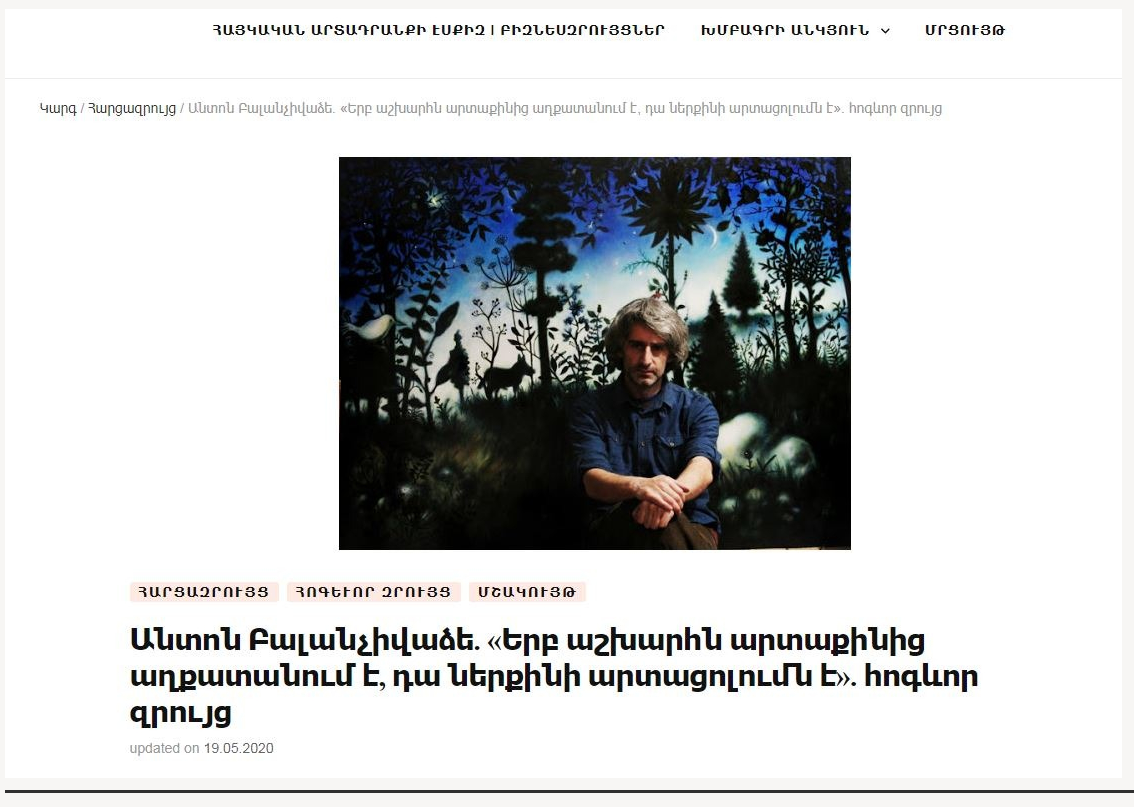
Фотографии из личного архива Антона Баланчивадзе
Беседу велa Маргарет Асланян
© Ереван 2020
«Когда мир беднеет наружно, это есть выражение внутреннего»

English Translation
„When the world grows outwardly poor, it is but the reflection of an inner barrenness.“
— Margaret Aslanian — A Soulful Conversation — Updated: May 19, 2020:
My name is Anton Balanchivadze...
My name is Anton Balanchivadze. I am an artist.
On the path toward the light, a person comes to understand that light is the sun’s great sacrifice. Through its profound offering, the world unfolds.
The weight of every single, distinct human life is unfathomably vast. We cannot comprehend the homeland, the mission of a people, or justice itself without specific souls, familiar faces, and the intimate trials tied to them. Every meeting between one human and another gives birth to a newly awakened world... The more memorable, soulful, profound, and meaningful that encounter, the truer and more majestic is what arises from it, the more authentically we touch reality, and the more precious life becomes. Statistics, by contrast, are mere abstractions.
To achieve prosperity and the upliftment of life cannot be done through abstract truths, cold systems, and statistics, where a human being is reduced to a formal unit. Information is not yet truth. Remember what Bernard Shaw once said: „If my neighbor beats his wife daily and I never do, by statistical account we both beat our wives every other day.“
Through living deeply into the griefs and joys of others, we awaken to reality, to truth, to understanding. Through the inert consumption of data, devoid of soul, we remain indifferent to the truth of life. As it has been said: „Man approaches either from compassion to knowledge, or from knowledge to compassion.“
Humanity
For the artist, creation must be realized as a medium, a living possibility, and never merely an end in itself. If a musician comes to love music more than that elevated realm to which it turns and from which it springs—more than those beings they call Muses—they cease to comprehend and feel the very sanctuary it strives to herald. Thus, imperceptibly, they drift into idolatry, becoming materialists in art, blind to the true purpose of music, painting, and poetry.
Through true art, human beings can truly know and feel one another, for within art, the national expands into the universal, rising to embrace all humankind. More and more, we must awaken to this dawning era of converging nations and mingled cultures, realizing that our gaze must stretch far beyond the self.
Along such a path, the pretexts for conflict dissolve. People begin to realize with growing clarity: A country is not some fabricated notion of an abstract past or a promised future; a country is the flesh-and-blood human being who represents it, who guards its secrets, its greatness, and its singular spirit through their finest devotion. What we represent to the world and to each other in this very moment—that precisely is our country, for them and for ourselves. A person serves their nation most truly when they serve the universal good of humanity.
Christianity, Brotherhood...
It is often said that we must seek the right formats for negotiation. Yet the essence lies not in formats, but in the souls who must come to terms. If one were Mahatma Gandhi and the other Friedrich Schiller, they would surely find a way to agree—and more than that, forge a great, fraternal union. From such encounters flows an inexhaustible fountain for the present and the days to come.
Walking this path, nations shed their narrow significance as mere material borders and territories, and people of goodwill stand as guardians of a fellowship of nations—free of boundaries, free of artificial restraints. In doing so, they remain utterly faithful to everything precious bestowed upon them by their homeland, their language, their fathers, and their ancestors. Properly understood, the Georgian, the Armenian, the Russian, and the German will no longer be stones of stumbling among peoples, for souls will begin to perceive the delicate, unseen thread connecting all things. People will leave borders in peace and seek ways to transgress them only because those lines dare to keep them apart. If we are truly enriched by friends and kindred spirits, we no longer hunger for new territories, statuses, or levers of pressure, for everywhere we are welcomed, everywhere we are shared with, everywhere we have a home.
If we ponder—where might a deeper, truer understanding of Christianity lead us?
It was never meant to be understood merely as some exclusivity of the chosen... Once, words spoken by my father left an indelible mark upon me; I read them in his journals: „We must affirm our work in the world, not ourselves. We must not dream of becoming the singer, but of what must be sung“...
So too must the Christian strive to defend the living aims of Christianity in the world, not their own ego.
Literature. My Most Beloved Book
There are countless books, of course—profound works that one feels as kin...
Of some one scarcely wishes to speak, yet we might name Rustaveli’s The Knight in the Panther’s Skin, the ancient chronicles of Georgia, Wolfram von Eschenbach’s Parzival, the rhythmic music of Gilgamesh... Kleist’s The Prince of Homburg, a multitude of the most powerful plays by Ibsen, Dostoevsky, and so on. But so as not to exclude any among them, let the beloved book here be named a sort of „Book of Books“—woven together from all other cherished pages...
The Magic of the Brush...
When comparing artists and painters, we are sometimes tempted to place them along a vertical ladder—asking who is greater. Yet if we arrange them horizontally, side by side in stylistic harmony, we grant them the grace to complete one another. What one may lack can be found in another, even in an artist of modest acclaim.
In this light, many works acquire an additional „right to exist.“ We begin to recognize appropriateness and timeliness, rather than an abstract notion of „better.“ Context and personality rise in power, expressing themselves through this or that creation.
For instance, Rembrandt had a teacher for merely half a year—Pieter Lastman. The significance of this man, the contribution and merit of his artistic discoveries and creative techniques, left an immense imprint upon Rembrandt’s formation. If one compares these two masters at the moment of their meeting, Lastman may possess certain advantages that would later mature into the signature pillars of Van Rijn’s genius. On the other hand, singularity—if viewed entirely isolated from comparison—loses its pulse. Thinking in relationships, we discover new intersections between things. If a sculpture fails to suit the central square of a capital city, it might prove wondrous in a mountain town, where it suddenly finds its true resonance and justifies its destiny.
All that is fresh and vital in contemporary art cannot be summoned merely by the artist’s will or decree, even if they feel its absolute necessity and command their craft. One must await the hour. The new must reveal itself just as a law of nature is unveiled. We do not invent it; we find it through labor, through attention and wonder, and through a constellation of unseen things...
„The Guild of Artists“
When surveying works of art, concepts, and forms within artistic circles, our measure must be one of appropriateness and timeliness. Every artist discovers themselves in the mirror of other creators. When we rightly understand the purpose of art, the tyranny of mere authority fades away. We reach then toward synthesis, collaboration, and shared creation with others. Just as every word holds its unique office within a sentence, so it is within a brotherhood of artists. Through joint endeavor, something is born that could never have come to be in solitude.
Strangely enough, what so often hinders serious, collaborative, and inspired artistic work—and the defense of shared ideals—is not a lack of talent, but talent itself. Gifted individuals are often inclined to walk alone, eager to prove their self-sufficiency. Yet this isolates them from fulfilling the social vocation of art in our time—its civic soul.
Today, in curating exhibitions, we must speak to a concrete public, to real human beings, rather than addressing an abstract „humanity“ while ignoring the living audience standing before us. Within a community of artists, one can feel and mirror the pulse of the city and the social spirit of the land much more profoundly.
When WORD and COLOR Meet
Oscar Wilde deeply understood the vital bond between a canvas and the artist. This speaks not of his interpretation of that bond, but of the sheer sensation of it. In truth, within our art, we can never conceal what we live by. What emerges from our hands is simply who we are.
Art should be guided by creative intuition, rather than external logic.
In truth, everything we can possibly conceive as new has already existed; only its fresh mode of being is dawning in this very hour.
„All things transitory but as symbols are sent“—as Goethe wrote. The Eternal breathes forth ever-new forms, and we must divine toward which archetype they lead.
Looking upon color as something living and breathing—something that gives birth to new shapes and hungers for precise harmonies—we grant ourselves the grace to step beyond existing conventions and tastes, entering a realm where painting, we trust, will find its renewed future.
At times, one must step away from a preconceived, figurative, or strictly composed theme, following instead the inner murmur of sensation. We surrender to the moral and psychological interplay of color and texture, seeking forms born of these very laws. We choose harmonies that befit the true spirit of the imagined motif and its chromatic mood. By deliberately losing the subject in this way, we find it anew at the end, transformed.
...
Rembrandt, even when portraying a single solitary figure—through the drama of the background, the play of light, the nuance of face and hands, the grain of texture, the whisper of symbols, through proportion and pregnant silence—grants us the space to ponder, within a singular mood, the infinite world of the grand totality, of all that human imagination can grasp.
In a painting, this atmosphere is often far more vital than the subject depicted. If the essence is found, the form will follow, answering precisely to the time and place of its birth.
If one portrays a problem without containing within it the seed of a possible release, it becomes merely an old wound burdened with a new sorrow.
When the world grows outwardly poor, it is but the reflection of an inner barrenness. Seeing only ugliness around us, yet unwilling to transform it, refusing to ennoble things, we must confess that we too are slipping into pettiness... Of course, one may paint the dreary shell of a building if it is called for—yet it must be painted in such a way that the viewer is stirred to waken an inner vitality capable of secretly discerning beauty beneath the decay. We might recall Picasso’s „Blue Period,“ where the eye so often yearns for a flash of red. Yet it is absent, or vanishingly rare. We instantly feel this restraint was intentional, guided by a heightened aesthetic sense. The artistic intuition of the spectator confirms that such a vision pulses with undeniable power.
Art is an Encounter with God
Art is a living creature.
To remain silent about God is often far more significant than to speak of Him.
How a person speaks of anything always reveals what they truly wish they could say.
Golden-Haired Inspiration
Inspiration is when an angel alights beside human labor.
In the Noisy Alleys of the City I Seek...
In the bustling alleys of the city I seek those who will say to me—we knew you. We sought you through all our lives and found you, or you found us. We listened to you and loved you, we have longed for our meaningful meetings. I seek those whom I once knew, whom I have known even in this life. And I seek the countenance that occasionally slips through the gaze of a passerby, the laughter of a young girl, the handclasp of a noble soul—who looks out through every eye upon the earth and speaks through the varied voices of the world.
Woman the Muse, Man the Creator
When Solveig is born, one can write Peer Gynt, just as the great Ibsen did, but without Solveig no Peer Gynt could ever exist. Writers do not invent their characters; they perceive them first—living, breathing human beings whom they know. Only by taking a concrete spark from life and carrying it to perfection—precisely a concrete soul—can an image be forged in literature. From abstraction, only abstraction is born.
As for the muse... today the word is tossed about lightly, yet its inner pulse is rarely felt. When someone is called a muse, no one pauses to think of the muse herself who hears it.
The Formula for Personal and Universal Happiness
Many people strive for happiness—yet sorrowfully, they conceive of it only as a private possession. Most terrifying of all is when souls prepare themselves for death, hoping to enter an imagined paradise of material bliss. Many are even willing to abandon their dearest loved ones along the way, judging them unworthy to cross those gates—failing to realize what manner of heaven that would truly be.
It seems that happiness in the physical world, understood purely through material gain, is merely the anticipation of an impending loss, experienced just a little sooner. Therefore, in seeking happiness, one should seek not happiness itself, but that which the inner voice commands; what must be done out of conscience and duty, for the good not only of the self, but of our neighbors, for the sake of the idea that must outlive all material things. It is my belief that along this path, if fortune smiles—a person may find peace within themselves and others, rejoice in what simply is, and gaze upon their beloved ones and the majesty and beauty of the world with profound gratitude.
Avtandil, the hero from The Knight in the Panther’s Skin, speaks these words: „არა ვიქმ, ცოდნა რას მარგებს ფილოსოფოსთა ბრძნობისა“ — which in translation might run: „Without embodying it in deeds (in life), what will the wisdom of philosophers profit me?“
Yes—that in which we believe, what we long to see in the world, what we revere as wisdom, must first be brought to life within ourselves...
The laws of nature and the laws contrived by our modern age stand in an increasingly paradoxical relation to one another. For instance, the most coveted moment of the week for many has become Friday evening, rather than Sunday—towards which we ought to aspire as a spiritual culmination of the week, where Sunday is the dawn, the solar and most joyous of days.
On the theme of happiness, Dostoevsky’s words come to mind: „The sun must be the sun!“—spoken when advising Raskolnikov to walk toward prison... One might not call that happiness in the ordinary sense, but in the deepest truth, one must find oneself and others in life.
We Lack Passion...
To my mind, there is no shortage of passion in the world; rather, it is love that grows scarcer and scarcer. To evolve, in the true spiritual sense of that word, means to remember and to prepare oneself to love.
Through unvarnished, sincere inquiry into the roots of our deeds, we learn to know ourselves. Through understanding the origins of the actions of others, we learn ever more deeply to forgive, to comprehend.
Desire should never blind us to the living reality of things and relations. A young woman may fancy a rose, yet deep in her heart she feels that if she were to transform into a blossom, she would resemble not a rose, but perhaps a violet or a lilac... For we each carry within us character traits that attune us more closely to certain plants, flowers, or creatures...
Some may admire the king of beasts, yet those who know them see a gentle stag. By sensing nature and ourselves in this way—discerning ties and distinctions—we step beyond the cage of mere sympathies and antipathies, learning to fathom truth and the true essence of things.
Name the Last Book You Read
From fiction—the short stories of Anton Chekhov.
Beyond the Brackets
I wish to thank your journal from the bottom of my heart for your interest and for the privilege of being heard by your esteemed readers. I hope your work remains vital, spiritually rich, and deeply creative for our contemporaries. We are guided by upright, gentle, and principled deeds, and this fortifies our faith in humanity, in the future. Nothing is ever lost in vain.
...
We might close today with words often spoken by a remarkable man who lived in Tbilisi in the 1980s—Vitaly Alexandrovich Bogoslovsky: „We must not curse the darkness, but kindle a light.“
Photographs from the personal archive of Anton Balanchivadze
Interview conducted by Margaret Aslanian
© Yerevan 2020
„When the world grows outwardly poor, it is but the reflection of an inner barrenness.“
